#youth mental health
#youth mental health
[ follow ]
#youth-mental-health #social-media-addiction #social-media #social-media-litigation #suicide-prevention
#youth-mental-health



Careers
fromFortune
6 days agoI run Valvoline and work with young people every day. They're in crisis-and we all have to try to help | Fortune
Youth mental health remains in crisis despite recent declines in suicide rates, and employers must create growth pathways and belonging to strengthen resilience.


Right-wing politics
fromElectronic Frontier Foundation
1 week agoThe Science is Not Settled: How Weak Evidence is Fueling a National Push to Ban Social Media for Youth
Legislation seeks to restrict youth social media using weak, unsettled science, despite youth retaining adult-level free speech and privacy rights.
Portland
fromPortland Mercury
1 week agoGood Morning, News: Watch Out for Yellow-Legged Hornets, Lawsuit Calls Out Trump's Tacky Reflecting Pool Plans, and We're All Conspiracy Theorists Now - Portland Mercury
Proposed Multnomah County budget cuts to YouthLine face strong backlash, while a new invasive yellow-legged hornet is detected in Vancouver and an Eugene officer resigns after racist body-camera leaks.


#social-media-regulation

UK news
fromwww.independent.co.uk
2 months agoActivists gather at Meta London HQ to protest dangerous' social media firms
Young people protested outside Meta's London headquarters demanding a four percent tax on tech company UK revenue to fund mental health services and community-led social media platforms.
UK politics
fromwww.independent.co.uk
2 months agoBereaved parents accuse Starmer of lacking courage over social media ban for children
Sir Keir Starmer faces criticism from bereaved parents for not voting on a social media ban for under-16s, with 22 parents of teenagers who died by suicide urging decisive government action.
fromIrish Independent
3 months agoMental health
Social media ban for under-16s could push young people to less regulated sites, Oireachtas committee hears
Age-based bans on major social media risk pushing young people to less-regulated platforms, failing to prevent harm while removing online social connection.
UK news
fromwww.independent.co.uk
2 months agoActivists gather at Meta London HQ to protest dangerous' social media firms
Young people protested outside Meta's London headquarters demanding a four percent tax on tech company UK revenue to fund mental health services and community-led social media platforms.
UK politics
fromwww.independent.co.uk
2 months agoBereaved parents accuse Starmer of lacking courage over social media ban for children
Sir Keir Starmer faces criticism from bereaved parents for not voting on a social media ban for under-16s, with 22 parents of teenagers who died by suicide urging decisive government action.



Mental health
fromFast Company
2 months agoHappiness ranking 2026: What unhappy people have in common as English-speaking countries are shut out of the top 10
Nordic countries dominate global happiness rankings, while English-speaking nations have declined, with social media overuse identified as a major factor in reduced life satisfaction among young people.
Digital life
fromwww.theguardian.com
2 months agoInstagram worse for mental health than WhatsApp, global study finds
Algorithm-driven social media platforms like Instagram and TikTok harm mental health more than connection-focused platforms like Facebook and WhatsApp, with moderate use of one hour or less daily proving optimal.

#social-media-litigation
Law
fromwww.theguardian.com
2 months agoIG is a drug': jury to deliberate as US trial over social media addiction wraps up
A jury trial concluded examining whether Meta and YouTube designed addictive platforms causing mental health harm in young people, with the jury beginning deliberations to determine negligence and causation.
Social media marketing
fromTechCrunch
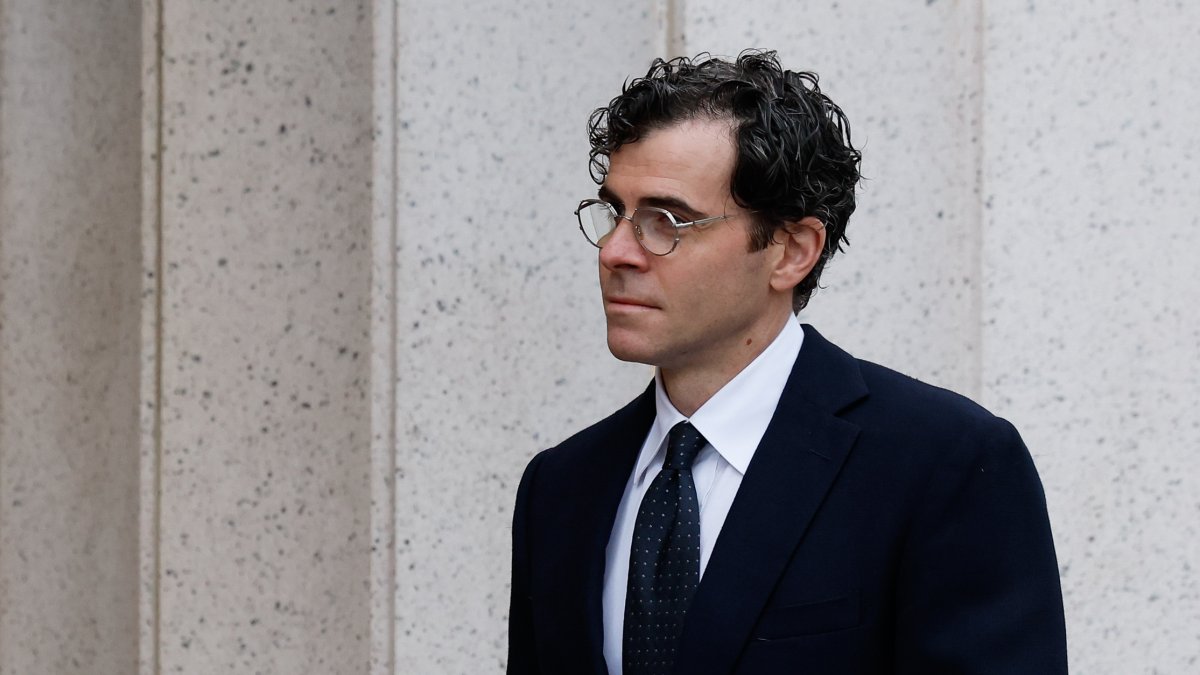
2 months agoInstagram tracked growing usage while targeting teens, lawyers argue | TechCrunch
Instagram's daily usage increased from 40 to 46 minutes per day between 2023 and 2026, with executives tracking time-spent milestones as a key metric in a lawsuit alleging social media platforms caused youth mental health issues.

Law
fromwww.theguardian.com
2 months agoIG is a drug': jury to deliberate as US trial over social media addiction wraps up
A jury trial concluded examining whether Meta and YouTube designed addictive platforms causing mental health harm in young people, with the jury beginning deliberations to determine negligence and causation.
Social media marketing
fromTechCrunch
2 months agoInstagram tracked growing usage while targeting teens, lawyers argue | TechCrunch
Instagram's daily usage increased from 40 to 46 minutes per day between 2023 and 2026, with executives tracking time-spent milestones as a key metric in a lawsuit alleging social media platforms caused youth mental health issues.
#social-media-liability

Intellectual property law
fromFortune
2 months agoBig tech has defeated everything for 30 years, but for the first time faces something it can't control: a jury | Fortune
A landmark Los Angeles trial tests whether social media platform design features can create product liability for mental health harms in young users, potentially reshaping Big Tech regulation globally.



Canada news
fromwww.cbc.ca
2 months agoCalls to Ontario's gambling helpline up 317% after privatization of online betting: study | CBC News
Young men's contacts to Ontario's mental health helpline for gambling problems increased over 300% after private online gambling was legalized, indicating a significant rise in gambling-related mental health concerns.
Miscellaneous
fromPsychology Today
2 months agoKids Today: Thoughts From Research, Practice, and the Classroom
Each generation faces unique challenges; today's youth deserve recognition for their perspectives rather than dismissal, as evidenced by clinical research, therapeutic practice, and educational settings.
Mental health
fromenglish.elpais.com
2 months agoBeatriz Martinez, psychiatrist: In a few years, letting children be glued to screens will be seen in the same light as dipping their pacifier in alcohol'
Early unrestricted smartphone and social network access worsens minors' mental health; legislation, parental training, and lifelong digital education are required.
fromPsychology Today
2 months agoWhen Legalization Meets Reality
In early February, Canadian researchers reported that rates of severe mental illness among young people have risen alongside increased access to high-potency cannabis (Callaghan, et al., 2022). Around the same time, a new book, A Killing in Cannabis (Kohn, 2024), revisited a 2019 California murder and highlighted how violence tied to the marijuana trade has persisted even after legalization. On February 9, 2024, an opinion piece from the New York Times editorial board
Mental health
Tech industry
fromBenzinga
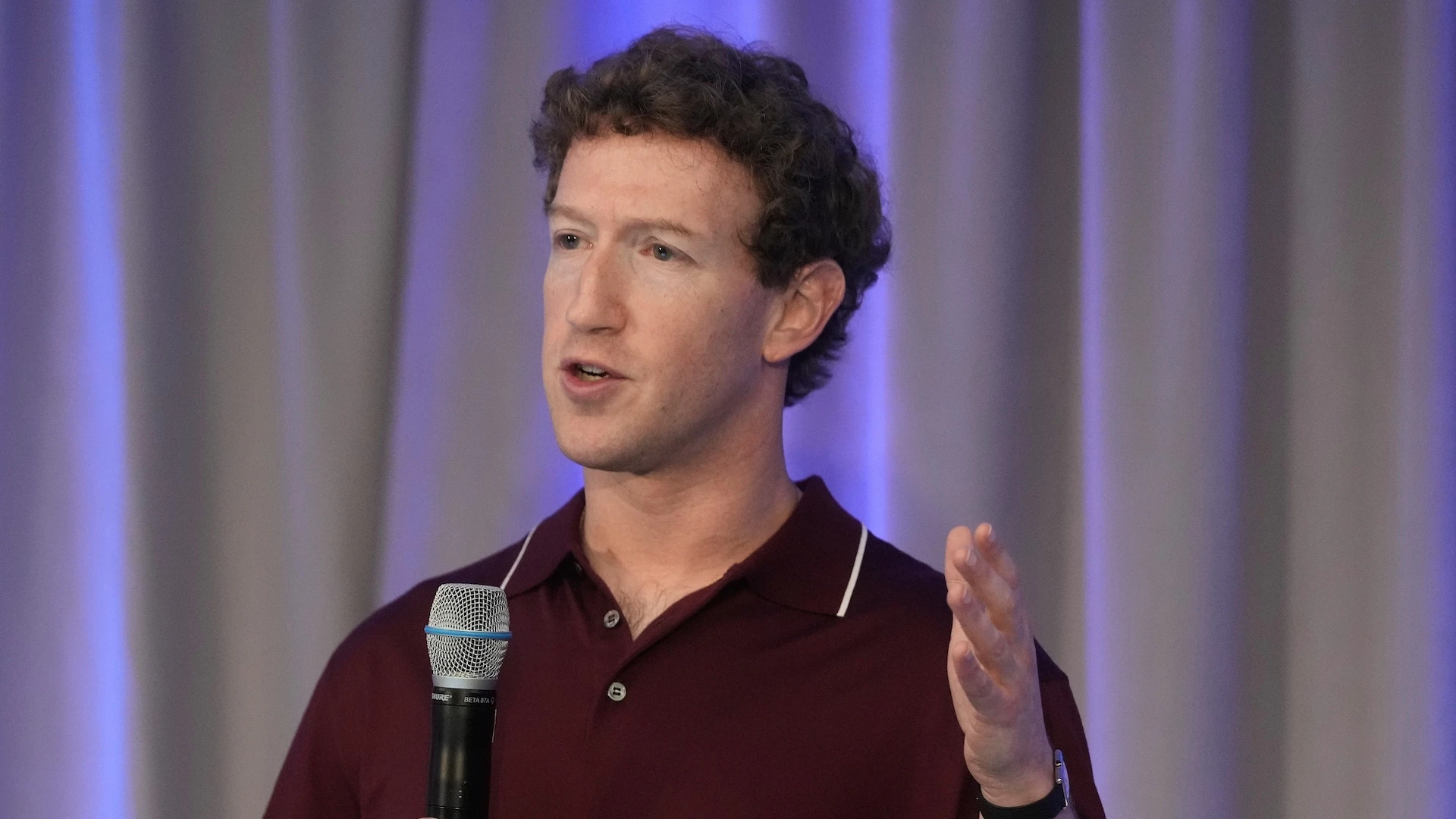
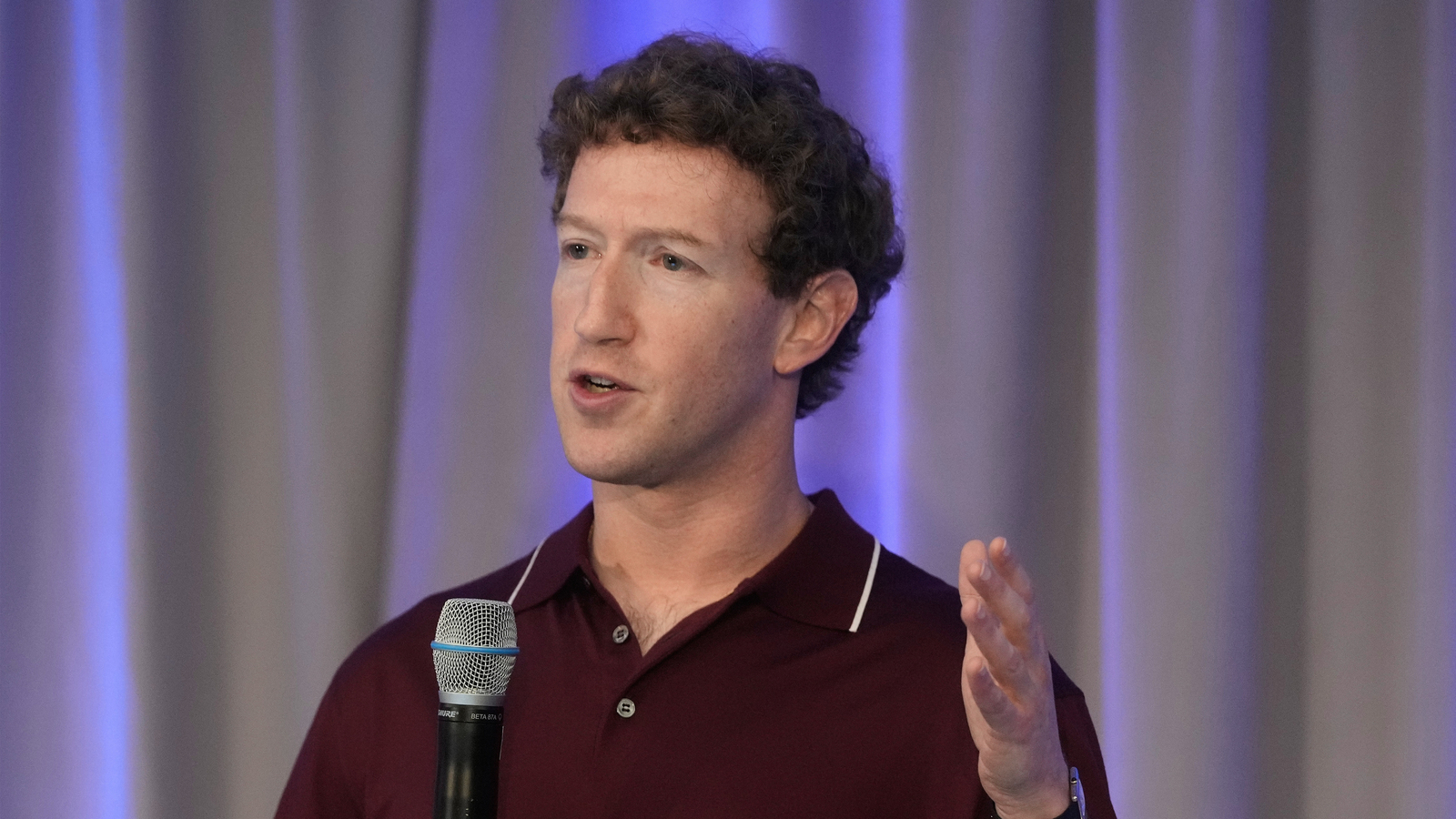
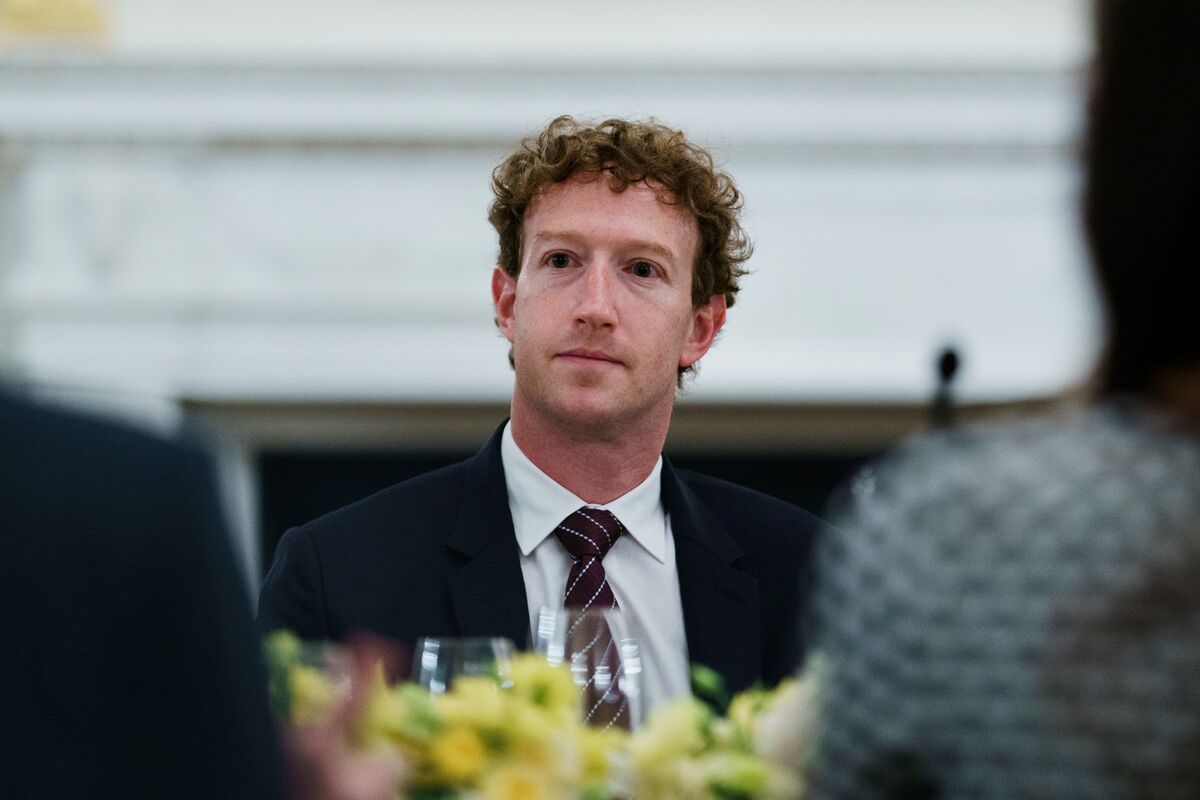
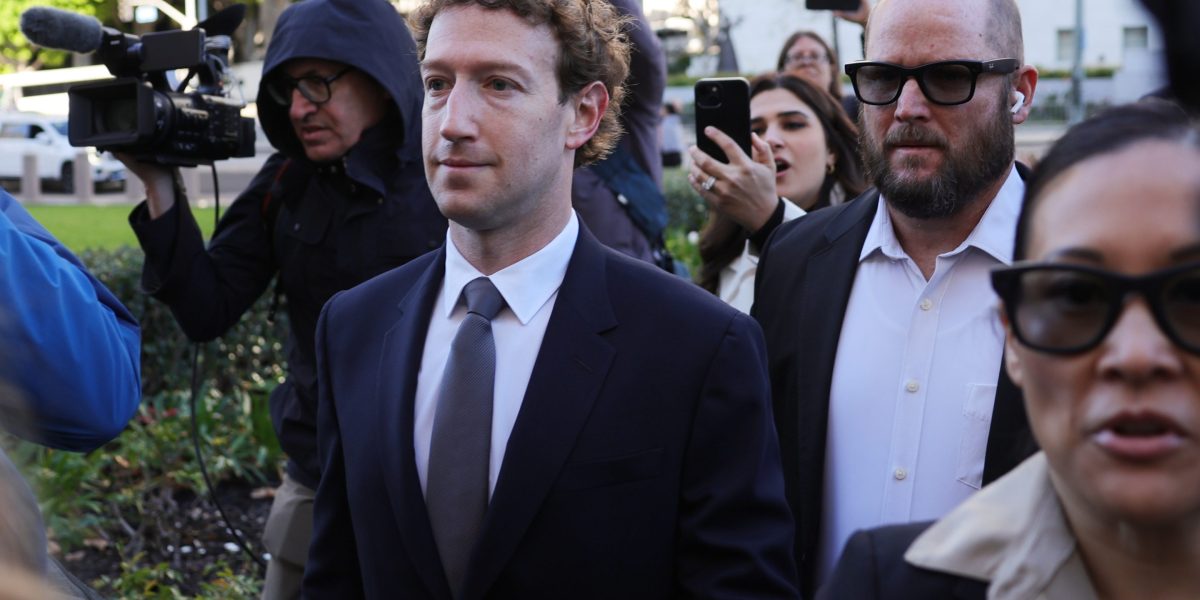
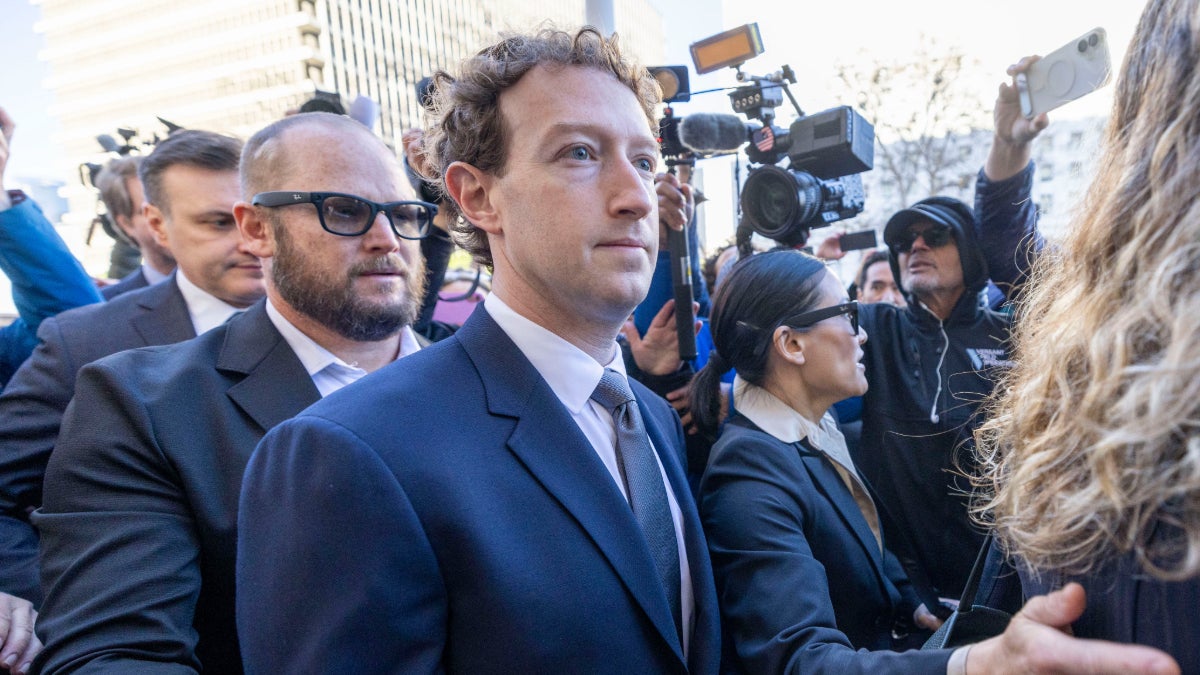
3 months agoMark Zuckerberg Reveals He Consulted Apple's Tim Cook On Teen Social Media Safety, Hails Free Expression In Court Testimony - Meta Platforms (NASDAQ:META)
Mark Zuckerberg discussed youth safety with Tim Cook and defended Meta's Instagram design choices amid a lawsuit alleging addictive features harmed teenagers.
[ Load more ]